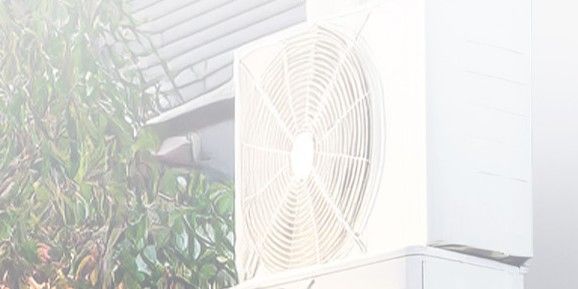
AC Not Cooling Because the Outdoor Unit Stopped? Here’s the Diagnosis
The outdoor unit is responsible for expelling all heat extracted from inside the home, plus the additional heat generated by the compressor itself—without this process, cooling simply cannot occur. Therefore, it’s completely normal for the room to remain warm even if the indicator light is on when the outdoor unit stops running.
Many immediately assume the refrigerant is low, but the issue could be much simpler or simply the system’s built-in protection mechanism kicking in. This article guides you through safely diagnosing an unresponsive outdoor unit, covering what you can check yourself, when to call a technician, and how to prevent recurring issues.
Why the Outdoor Unit’s Performance Dictates Indoor Cooling
In an AC cycle, the indoor unit only absorbs heat from the room, while the outdoor unit dissipates that heat outside. Without this heat rejection process at the outdoor unit, the air circulating indoors is no different than from a regular fan.
The system may appear to be running, but it won’t cool effectively. Normal operation is typically indicated by the sound of the compressor engaging and a noticeable flow of warm air being expelled from the outdoor unit.
If the outdoor AC fan isn’t spinning, heat isn’t being expelled and cooling stops. So, why might the outdoor AC fan run slowly? It’s usually due to a weakening capacitor, unstable voltage, or a worn-out fan motor.
All of these factors lead to suboptimal heat dissipation. However, for a more accurate diagnosis, it’s crucial to observe the specific symptoms occurring at your outdoor unit.
Reading the Symptoms Before Calling a Technician
You can start by identifying visible patterns, such as:
- Outdoor AC off but indoor running—power supply to the outdoor unit is interrupted, system protection is active, or the outdoor compressor has failed.
- If the outdoor unit turns on briefly then shuts down again, it could indicate overheating, unstable refrigerant pressure, or fluctuating electrical voltage.
- Outdoor fan not spinning—this signals failed heat dissipation, meaning the cooling process halts even though the indoor unit remains on.
- Outdoor unit running but not cooling—this indicates the compressor isn’t operating optimally, the capacitor is weak, or overall system performance has degraded.
- No compressor noise—this suggests the compressor isn’t starting despite the unit appearing active.
- Frequent on-off cycling (short cycling)—a sign that the protection system is detecting abnormal temperature or pressure readings.
This approach helps identify external symptoms before deciding whether professional technician intervention is required.
Safe Checks Before Calling a Technician
Before assuming a major breakdown, there are several safe steps you can take. Start by ensuring the MCB hasn’t tripped and that electrical voltage is stable, as low voltage is a frequent culprit preventing the AC condenser from running—the compressor fails to start, triggering the automatic protection system to shut down the outdoor unit.
Also check if an unintended timer is active, the wrong mode is selected, or the outdoor switch is turned off. The outdoor unit’s physical condition matters too: a dirty unit or blocked ventilation traps heat and triggers a shutdown.
If the outdoor unit isn’t working, it’s best to turn off the AC temporarily to prevent the compressor from repeatedly attempting to start. This simple step helps prevent overheating and further damage before a technician performs an inspection.
The Outdoor Unit May “Shut Down” to Protect the Compressor
In many cases, an unresponsive outdoor AC actually indicates that the system is actively protecting the compressor. When the condenser overheats—due to poor ventilation, direct sunlight exposure, or excessive dirt buildup—refrigerant pressure spikes and thermal sensors trigger an overload trip. Under these conditions, the unit temporarily stops to allow temperatures to drop and protect this expensive component from damage.
Compressors are indeed designed with automatic safety cutoffs since they endure the highest workload in the cooling cycle. Once temperature and pressure stabilize, the outdoor unit typically resumes operation.
However, if shutdowns keep recurring, it’s a clear signal that heat dissipation is suboptimal and requires improved airflow or thorough unit cleaning.
Three Most Common Technical Problem Sources
If it’s not caused by automatic protection, the next likely culprits require attention from a professional technician. From an electrical and startup perspective, a faulty outdoor AC capacitor is the most common cause.
This component delivers the initial power surge needed to start both the compressor and the fan. When weakened, the unit may only hum or fail to start entirely. Worn contactors or relays can also interrupt power flow before the motors engage.
A seized fan motor, mechanically speaking, halts heat dissipation, while a compressor unable to spin indicates excessive startup load. At the control level, a malfunctioning PCB module can block operational signals even when power supply is normal.
These three areas are highly interconnected, making it advisable to call a professional technician for an accurate diagnosis.
Should You Keep It Running? It’s Safer Not To
If the outdoor unit stops, it’s best to turn off your AC entirely. While you’ll still feel airflow, the compressor isn’t rejecting heat. This means the indoor unit is merely acting as a fan, consuming electricity without providing actual cooling.
The greatest risk occurs when the system repeatedly attempts to start: compressors require a significantly higher initial power draw, typically 3 to 8 times greater than during steady operation, even if only for a fraction of a second. This pattern can trigger overheating, increase energy consumption, and shorten component lifespan.
It’s better to stop operation first, perform safe checks, or call a technician to ensure the issue is fully resolved.
Restoring Consistent Cooling Performance
Cooling performance always hinges on one key factor: the outdoor unit as the central hub for heat rejection. Proper ventilation, stable power, correct installation, and routine maintenance allow the compressor to operate more efficiently by keeping condenser temperatures in check.
Every home faces unique challenges, so a one-size-fits-all approach doesn’t work. DAIKIN AC systems feature advanced compressor protection and outdoor performance engineered to remain stable in tropical climates. This ensures efficient operation without unnecessary strain.
If you want to prevent recurring outdoor unit failures, consult on capacity requirements and installation setup from the start—contact us for solutions perfectly tailored to your needs with DAIKIN.


