Indoor air can be significantly more polluted than outdoor air, yet we spend most of our time indoors. Ironically, even when the air purifier is running, dust and odors still linger. So, is the issue with the unit itself or with improper usage?
If you want to experience real results rather than just having the device running, this guide will transform how you operate it.
How to Use an Air Purifier Correctly
Many people are unaware of the optimal placement for their air purifier to function at peak performance. Here is a precise usage guide:
1. Start with a Proper Setup
Before discussing modes, placement, or operation, ensure your purifier is ready to work. This step is often overlooked: removing the protective plastic wrap from the filter. Many users turn on the unit while the filter is still wrapped, rendering filtration ineffective despite the machine being powered. Next, verify the filter installation direction according to the airflow markings (usually indicated by an arrow). Finally, place the unit in an open initial position before powering it on, ensuring both intake and exhaust airflow remain unobstructed.
2. Placement Determines Effectiveness
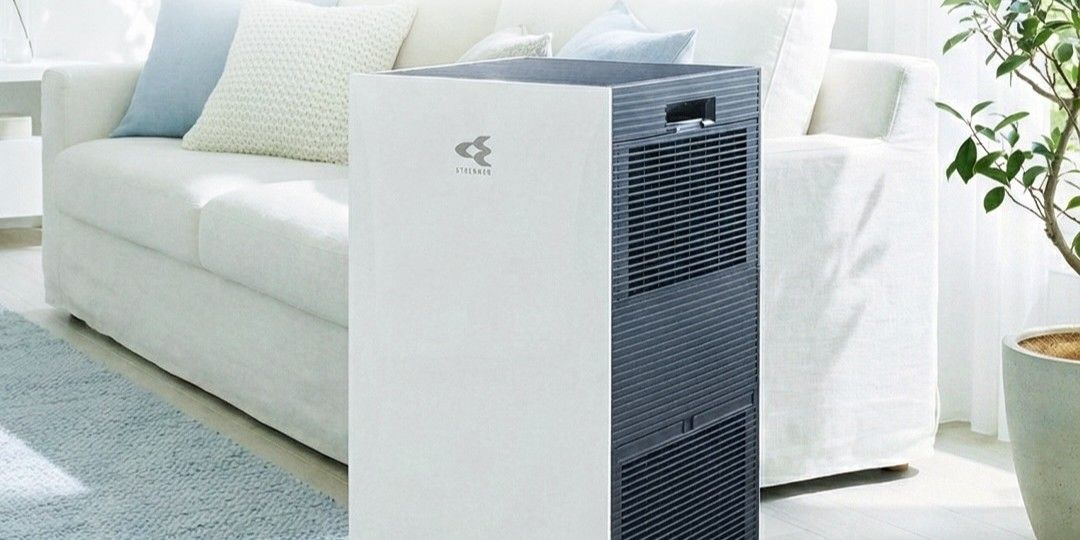
Once the unit is ready, check its placement since an air purifier relies heavily on air circulation. Dirty air enters the intake, undergoes filtration, and exits as clean air. If the intake or exhaust is blocked, airflow can drop drastically, severely reducing filtration efficiency. Ideally, maintain a clearance of about 1–1.5 meters from walls and furniture. Avoid placing it in tight corners or behind sofas and tables. Think of it like breathing: the freer the airflow, the faster you will notice a difference in the room.
3. Auto, Sleep, or Turbo? Understand the Modes
With the correct positioning secured, understand the operational modes. The Auto mode is ideal for daily use because the particle sensor reads air quality and adjusts fan speed in real time. When dust, smoke, or odors increase, the fan automatically ramps up. As air quality improves, the speed decreases accordingly. This approach saves energy and operates more quietly. The Turbo mode is best used during clear pollution events, such as after cooking, deep cleaning, or when outdoor smoke enters. Meanwhile, the Sleep mode is perfect for nighttime: it runs quieter, dims the display lights, and maintains stable air quality. You do not need high-speed operation constantly; consistency and understanding how long to run the air purifier based on room activity are what matter.
4. Ideal Usage Duration for Air Purifiers
Should an air purifier run continuously? Ideally, operate it 24 hours a day for optimal clean air, but use Auto mode to maintain energy efficiency and quiet operation. This is crucial because pollutants constantly infiltrate through various gaps, including daily activities, ventilation, and briefly opened doors. Therefore, continuous operation ensures stable indoor air quality. For noticeable results, many guidelines recommend a minimum of 4–5 Air Changes per Hour (ACH) in residential spaces; if managing allergies or smoke, targeting 6 ACH or higher provides better protection. Rooms typically reach a “clean” state within 30 minutes to 2 hours. Run the Low mode for sustained operation, and switch to Turbo during heavy activity periods.
5. Clean and Replace Filters
When is the ideal time to clean and replace purifier filters? Regularly clean the pre-filter, as it captures larger dust particles. Cleaning the air purifier filter is straightforward: simply use a vacuum cleaner or a dry cloth. Avoid washing it with water unless explicitly recommended. When should you replace the HEPA filter? Typically every 6–12 months, depending on usage frequency and the level of daily airborne contaminants. Note that this filter cannot be washed and must be replaced immediately once its service life expires. Clogged filters can reduce efficiency by over 15% and force the motor to work harder. Since the HEPA filter captures microscopic particles down to very fine sizes, maintaining it ensures the air feels genuinely clean.
Air Still Doesn’t Feel Clean? Check These Five Points
Often, an air purifier seems underperforming not due to hardware limitations, but because certain factors conflict with proper usage. Before concluding the unit lacks power, review these common issues:
- Room size is too large, making the unit capacity insufficient for the air volume
- Windows are frequently opened, allowing new pollutants to continuously enter
- Unit placement is suboptimal and restricts airflow, often placed too close to walls or blocked by furniture
- Dirty filters weaken airflow and compromise filtration efficiency
- Usage duration is too short, lacking sufficient air purification cycles
Verify that these five points align: appropriate capacity, a more enclosed room, unobstructed placement, clean filters, and consistent operation. Once optimized, results are usually immediate: the air feels lighter, odors diminish, and dust accumulation slows down.
Control Surrounding Air Quality with DAIKIN
That light, fresh air feeling does not come from a device that merely turns on, but from combining correct usage practices with units engineered for stable performance. Air purifier efficiency is maximized when:
- Operating the air purifier simultaneously with an AC system
- Keeping doors and windows closed while the unit runs
- Selecting a purifier capacity matched to the room size
- Using the appropriate mode, especially during high-activity periods.
DAIKIN Air Purifier features intelligent sensors, optimized airflow, and multi-layer filtration that remains highly efficient and energy-conscious. Models with a dedicated pet mode are also available for households with animals. This technology activates intensive air circulation, capturing floating pet hair and quickly eliminating unpleasant odors. Do not wait for allergies or odors to worsen. Contact us to consult on your room requirements and find the right solution.


