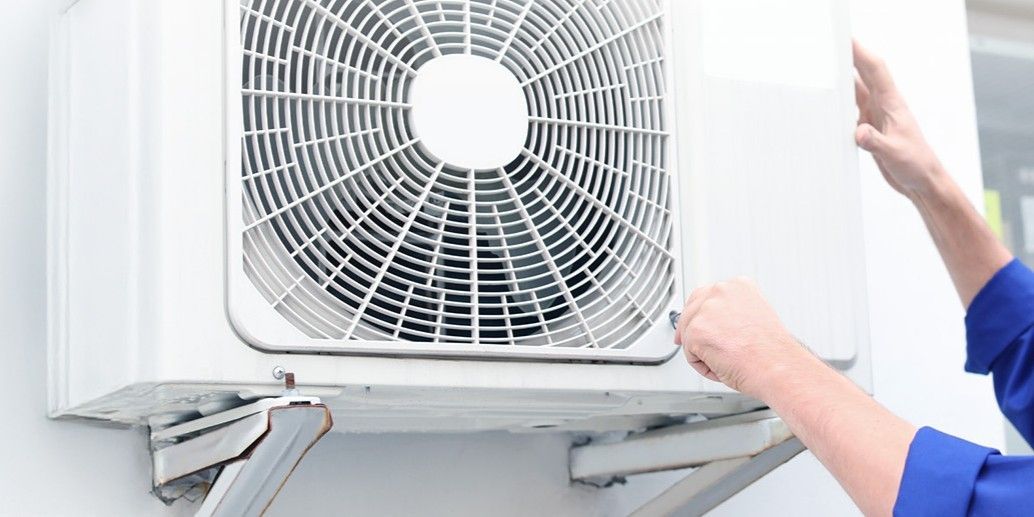
A noisy AC outdoor unit is often dismissed as trivial, yet it serves as a clear mechanical signal that the system is becoming unstable. Vibration caused by an uneven mounting surface can increase the risk of damage by up to 70–90% due to imprecise installation.
Ever noticed a hum getting louder every night? This article helps you decode the 'language' of these sounds before hastily calling a technician. Sound isn’t just a nuisance; it’s an early indicator that you can easily recognize yourself at home.
Types of Sounds and Their Meanings
Before panicking, listen to the pattern first. Noisy AC outdoor unit sounds are usually consistent, and each type points to a specific issue.
Steady Hum: Points to the Compressor
Why does the outdoor AC hum? First, check if the hum is smooth and stable. This typically comes from the compressor operating normally. However, if it grows louder or sounds 'heavy,' it may indicate extra load or overlapping vibrations.
Rough Vibration: Mounting or Loose Bolts
An uneven outdoor unit mount or loose bolts are common culprits for loud outdoor AC noise. Sometimes, it even feels like the wall itself is vibrating. This sound usually appears during startup and fluctuates according to the vibration frequency.
Noisy Fan: Dirty or Unbalanced Fan Blades
If the sound resembles a rough 'swoosh' or rhythmic friction, this is another common cause of loud noise. A dirty fan blade or accumulated dust makes it unbalanced. As a result, rotation becomes less smooth, and the noise intensifies.
Knocking Sound: Resonating Casing
Sometimes, the noise isn’t coming from the main component but from the casing reflecting sound. Why might the outdoor unit’s hum sound like a light knock? Because the casing panels are vibrating. This frequently occurs with outdoor units featuring thinner casings, making the sound more pronounced.
The key isn’t how loud it is, but the sound pattern. Once you identify the 'type of sound,' the next diagnostic steps become much faster and more accurate.
Common Causes of Noisy AC Outdoor Units
Now that you understand the sound patterns, let’s look at the most frequent causes of noise from the AC outdoor unit. In many cases, the noise isn’t due to severe component failure, but rather accumulated installation details and physical wear.
Industry references suggest that up to 97% of HVAC systems may suffer from installation errors that directly impact performance and generate audible noise.
For example, an uneven mounting surface causes the unit to resonate when the compressor and fan operate. Daily vibrations can also loosen bolts, resulting in a pulsating sound that becomes more noticeable at night.
Additionally, worn-out rubber dampers can no longer absorb vibrations, instead transferring them directly to the wall. Dust accumulation on the fan blades creates imbalance, making the noise louder even though the AC still feels cool.
Why You Shouldn’t Ignore These Sounds
AC outdoor unit vibration isn’t just a byproduct of noise. Vibration is mechanical energy that reflects back into the system, particularly affecting the compressor. An unbalanced fan, for instance, forces heavier rotation. Vibrations can spread through the frame to the mounting base, and eventually reach core components.
In engineering, over 70% of mechanical component failures are directly linked to continuously ignored vibrations. This means the sound you hear today could be a mechanical load that gradually shortens the unit’s lifespan.
Impact on Electricity Consumption and AC Performance
When the AC compressor is noisy or the outdoor fan sounds strained, the system is actually working harder than necessary. Unstable fan rotation prevents optimal heat dissipation at the condenser. Consequently, the compressor must compensate with extra effort.
Technically, this condition can increase electricity consumption by 20% to over 30%, with some records showing up to 21.1% higher usage compared to a normal unit.
“But why does it still feel cold?” Cooling still occurs, but it requires significantly more effort, longer cycles, and reduced efficiency—factors that quietly inflate your monthly electricity bill.
When to Call a Technician
The good news is that not all noises are emergencies. However, if the sound gets progressively louder day by day, you feel vibrations in the wall, or suspect the outdoor AC mounting is unstable, it’s a clear sign to call a technician.
Conversely, a consistent, smooth hum is usually normal. Just ensure the sound pattern doesn’t change. Regular maintenance has been proven to reduce potential noise by 10–30%, and heavy vibration issues can be reduced by up to 70% with proper adjustments.
The faster you can identify these signs, the lesser the impact on the overall system.
The Secret Behind a Silent AC Outdoor Unit Isn’t Coincidence
A quiet outdoor unit results from a design that addresses vibration issues from the ground up. This includes robust casing structures that resist resonance and properly selected damping materials.
Rubber or EVA pads used as dampers can typically reduce noise by 3 to over 10 dB(A). They work by blocking low-frequency hums that usually travel through walls and floors. Factory precision mounting also ensures the unit stands securely without relying on makeshift solutions at the installation site.
Ultimately, a noisy AC outdoor unit isn’t just about sound; it’s a sign of an unstable system. Choosing a unit with a mature outdoor design means you’re preventing vibration sources before they even appear.
Choose a DAIKIN AC featuring a stable and silent outdoor design. Contact us now to find the perfect option for your home.


