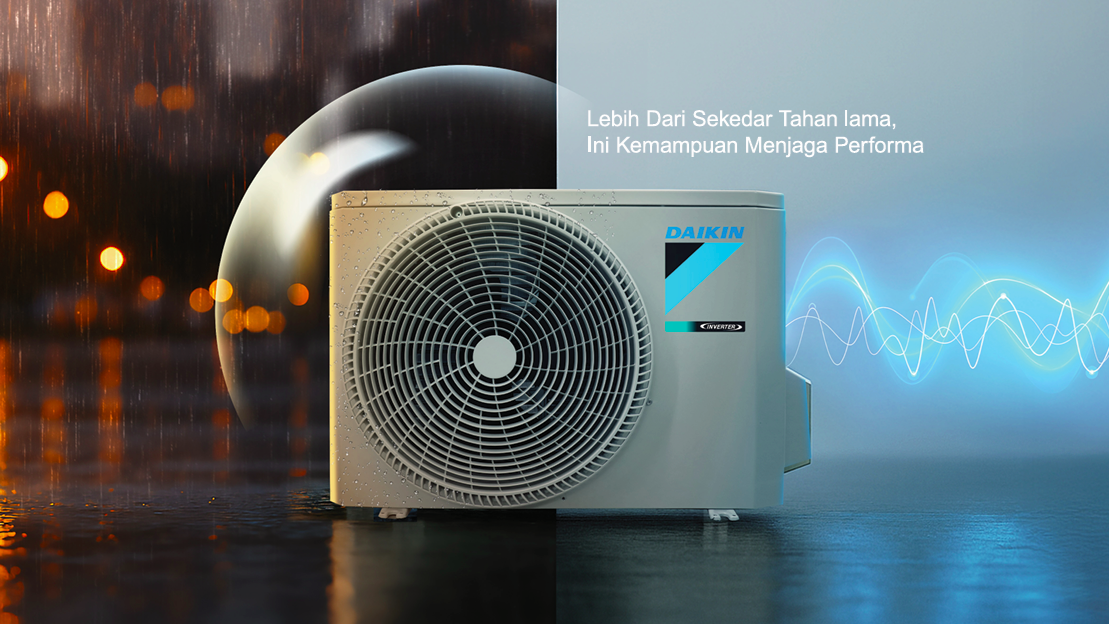
When your air conditioner isn’t performing at its best, the first step is always to identify the root cause. In some cases, the issue stems from the outdoor unit fan failing to spin. This can prevent proper cooling and lead to various operational problems.
If you’re experiencing this at home, don’t worry—this guide covers everything you need to know. Learn the common reasons behind a non-spinning outdoor fan and how to resolve them to restore optimal performance.
Why the Outdoor AC Fan May Not Be Spinning
It’s important to understand that an air conditioner operates similarly to a refrigerator. Its components transfer heat from indoors and expel it outdoors. Therefore, the outdoor unit is just as critical as the indoor unit. Any malfunction will directly impact indoor comfort.
The same applies when the outdoor unit shuts down while the indoor unit remains on, often due to fan failure. So, what causes the outdoor fan to stop spinning? Here are several common reasons:
1. Wiring Damage
AC wiring isn’t just for show. These cables provide a high-voltage alternating current pathway, delivering power from the electrical source to the unit. Consequently, the AC can only operate efficiently when the wiring is in optimal condition.
When wiring is compromised, it can trigger multiple issues, including a non-spinning fan. Causes vary widely, from loose plugs to chewed cables (e.g., by rodents). The outdoor unit is particularly vulnerable due to its exposed location.
2. Physical Obstructions Blocking the Fan
Due to its outdoor placement, the fan may encounter physical obstructions. Debris such as stones, dry leaves, or even small animals like rodents and lizards can block or completely halt fan rotation.
3. Compressor Overheating
If you’ve noticed the fan cycling on and off intermittently, it’s likely due to overheating. This is easily identifiable, especially if the AC has been running continuously for extended periods, causing the compressor to overheat.
Excessive heat can pose a fire hazard. To prevent this, your home’s electrical safety system, such as the MCB (Miniature Circuit Breaker), will automatically cut off power.
4. Faulty AC Components
If the outdoor fan spins slowly, it’s highly likely that a component has failed. Damaged parts could include the capacitor, contactor, fan motor, fan blades, or drive belts. Warning signs include unusual noises, indicator lights flashing, or inadequate cooling.
In other cases, the indoor temperature sensor may be faulty. Even if other components function properly, the system won’t detect rising indoor temperatures. As a result, the fan won’t activate, assuming the room is already cool.
How to Troubleshoot a Non-Spinning Fan
Once you’ve identified the potential cause, it’s time to take action. Follow these basic troubleshooting steps:
1. Inspect the Wiring
Start by checking the AC wiring. Verify whether the plug is securely connected or still loose. If loose, tighten it until fully seated. If the plug looks fine, inspect the wiring connections leading to the outdoor unit.
If you find any severed or damaged wires, repair them immediately. If you’re not comfortable working with electrical components, consult a qualified technician for safe handling.
2. Check the Home MCB/Circuit Breaker
Once the wiring is confirmed safe, check your home’s MCB panel. If you’re unsure which device it is, look for the main circuit breaker box, typically installed by PLN or your local utility provider near the yard or rear of the house.
Resolving this is straightforward—you simply need to toggle the breaker back to the ON position. However, ensure the AC power cord is unplugged or the unit is switched off beforehand to prevent short circuits.
3. Reset the AC Unit
Wondering how to fix a non-spinning outdoor fan? Try resetting the unit, especially if the issue stems from compressor overheating.
The reset process is simple:
- Unplug the power cord and wait 3–5 minutes before reconnecting it.
- Use the remote control to press the power button and turn the AC back on.
- Press and hold the “RESET” button on the remote for 3–5 seconds.
- Your AC is now ready for use.
4. Consult a Professional Technician
If the issue persists or stems from complex internal faults, it’s best to seek a professional technician. DIY repairs can be risky if you lack experience. A certified technician can accurately diagnose the problem and perform safe repairs, ultimately extending your AC’s lifespan.
Consider this step if a simple reset doesn’t resolve the issue. In severe cases involving multiple damaged components, replacing the unit may be more cost-effective than extensive repairs.
If your outdoor fan continues to fail and you’re considering a new unit, DAIKIN Room Air Conditioners offer reliable, energy-efficient solutions tailored to your needs. For expert advice or product inquiries, feel free to contact the DAIKIN Contact Center or reach out via Official DAIKIN WhatsApp.


