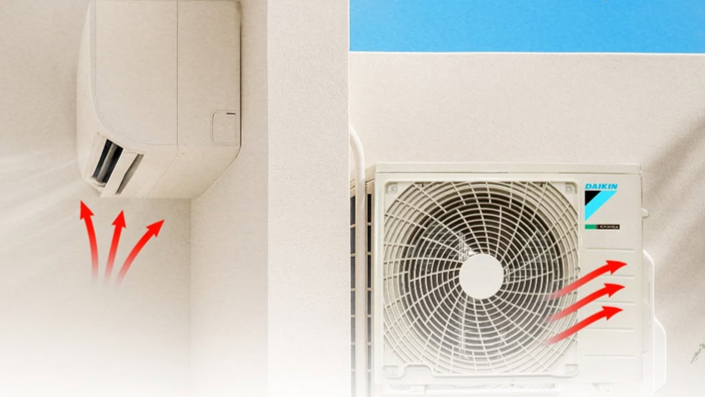
During the room cooling process, an air conditioner does more than just produce cool air; it also generates condensate water as a byproduct. This water must be properly routed out through the AC drainage system to prevent accumulation inside the unit.
Unfortunately, this aspect is often overlooked. Improper installation or management of the AC drainage system can trigger various issues, ranging from water leaks to damage to the equipment and surrounding areas.
To avoid such problems, it is crucial to understand how the AC drainage system functions and how to install the piping correctly. Read the complete explanation below!
Why Does an AC Release Water? Understanding the Condensation Process
When the AC is running, warm indoor air is drawn in and passes over the extremely cold evaporator. The drastic temperature drop reduces the air's capacity to hold moisture (water vapor), causing it to release what it previously retained.
As a result, invisible water vapor condenses into droplets that gradually accumulate and drip into the AC drain pan. In other words, the water expelled from your AC is the direct result of condensation—the phase change from gas to liquid caused by temperature fluctuations within the unit.
How Does the AC Drainage System Work?
The AC drainage system operates simply through three stages:
- Collection: Condensate water is first collected in the drain pan located beneath the evaporator.
- Flow: From the pan, water flows out through the drain hose via gravity. Therefore, the AC drain hose must be angled downward to ensure smooth flow.
- Discharge: The water is then discharged outdoors, such as into a drainage pipe or an open area.
As long as these three processes function correctly, water will drain automatically without causing leaks.
Proper AC Drainage Installation
Although typically handled by technicians, understanding the basics of installation is essential to verify correct setup and minimize errors. Here are key considerations:
1. Ensure the Hose Slopes Downward
If you are not using a condensate drain pump to lift the water to a higher elevation and rely solely on gravity, the hose must be installed with a downward slope. A minimum gradient of 1:100 (approximately 1%) is required. This means the pipe should drop about 1 cm for every 1 meter of length to allow water to flow out effectively.
2. Avoid Sharp Bends and Kinks
Kinked hoses or excessive bends can restrict water flow and lead to blockages.
3. Use the Correct Hose Size
What size should an AC drain pipe be? Typically, the factory-installed hose on the Indoor Unit has a diameter of ½ inch. For a tighter seal, you can use a ¾-inch adapter pipe and insert the original hose into it. This method ensures a more precise connection and minimizes the risk of seepage or leaks.
4. Position the Discharge End Correctly
The correct placement for residential AC drainage is to route the discharge end downward directly into a gutter or garden area. Avoid positioning it near wooden door frames or window sills, as prolonged exposure can cause rotting. Additionally, do not leave the pipe end hanging too high, as wind can blow the water back onto walls, leading to mold growth.
Negative Impacts of Improper Piping Installation
Improper installation can lead to several serious issues, including:
- Water leaks: overflow dripping into the room
- Mold and black stains: caused by damp walls or ceilings
- Peeling wallpaper: due to continuous water exposure
- Musty odors: resulting from stagnant water and poor drainage
- Health concerns: Musty odors degrade indoor air quality and irritate the respiratory system
- Electrical short circuit risks: if water comes into contact with electrical wiring
How to Fix Blocked AC Drainage
One of the most common drainage issues is water failing to exit the hose, causing leaks from the Indoor Unit. To resolve this, you can take the following steps:
- Clean the hose using a long-handled brush to remove algae and slime.
- Flush and clean the connection between the drain pan and the drain hose.
- Ensure there are no kinks or folds in the hose.
- Perform a flush using pressurized water or a vacuum cleaner.
Repurposing AC Condensate Water Instead of Discarding It
Instead of discarding it, you can collect AC condensate in a bucket and repurpose it for simple household tasks, such as:
- Watering plants
- Filling steam irons
- Cleaning glass surfaces
- Washing motorcycles or bicycles
- Flushing toilets or cleaning bathrooms
- Refilling aquariums
You might wonder if AC water is harmful. Since it originates from condensation, it lacks minerals and chlorine, making it relatively pure. Its characteristics are similar to distilled water, with a pH of approximately 6.63, making it safe for daily non-potable uses. However, condensate can still pick up dust, bacteria, or debris from the AC unit, so it is not recommended for human consumption.
Long-Term Comfort Starts with Choosing the Right Unit
An AC equipped with a reliable drainage system from the start helps prevent issues like leaks, unpleasant odors, and surrounding area damage. DAIKIN air conditioning products are engineered with precision drainage systems and high efficiency, ensuring smooth condensate flow and minimal risk. Moreover, DAIKIN offers professional services to streamline the installation process, whether on-site or remotely.
With both Inverter and Non-Inverter options available, DAIKIN units adapt to your needs without compromising comfort. Choose DAIKIN Air Conditioning! True comfort isn't just about cool air; it's also about a hassle-free drainage system that performs reliably, day after day.


