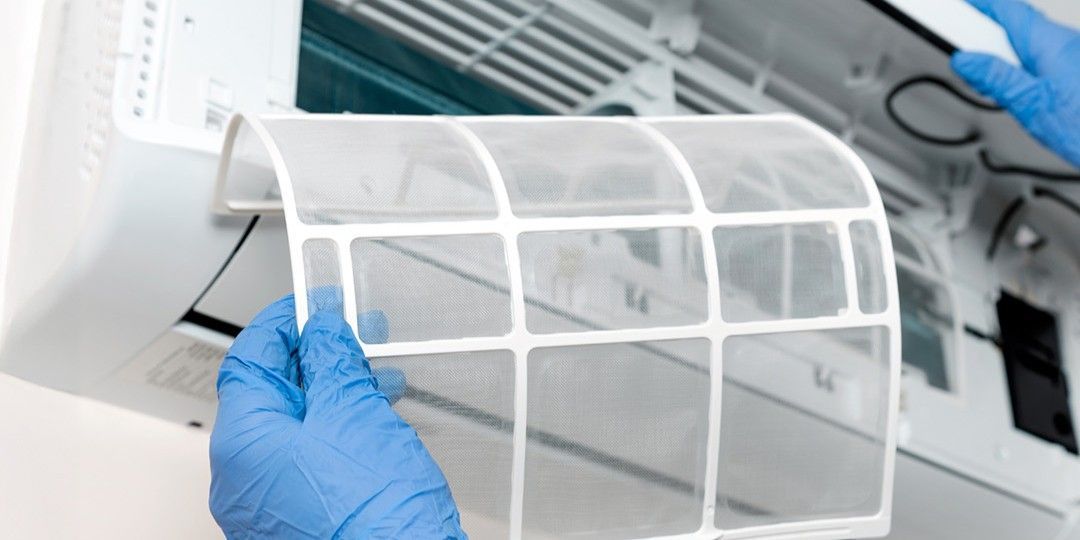
A dusty AC filter can reduce efficiency by 5–15%, and may even cause your electricity bill to spike by up to 30% without you realizing it. So, how often should you really clean your AC? It’s not about a fixed number; it’s about monitoring your home’s airflow conditions and dust levels.
Ever noticed your AC running continuously but not cooling as effectively as usual? This guide helps you identify the right timing without guesswork, ensuring optimal cooling performance and controlled electricity costs.
How Often Should You Clean Your AC? Every 2–3 Months, But…
Technicians often recommend cleaning your AC every 2–3 months as a safe baseline for average households. But are all homes the same? No.
Living near a busy road, frequently opening windows, keeping pets, or having a home prone to dust can cause filters and coils to clog much faster.
Once airflow becomes restricted, cooling capacity drops significantly—typically by 15–50%. In fact, if evaporator airflow decreases by 50%, cooling capacity can plummet by up to 76%.
So, what happens if you never clean your AC? The unit keeps running, but it has to work much harder. As a result, the room takes longer to cool down, and power consumption gradually increases, often going unnoticed at first.
These Signs Appear? It’s Time for a Cleaning
If you’re unsure about your AC cleaning schedule, don’t rely solely on dates. Listen to what your unit is telling you. Here are the most common DIY-checkable signs that your AC needs cleaning:
- Longer cooling times: One of the primary effects of a dirty AC on cooling performance. Heat removal becomes less efficient as warm air struggles to be absorbed.
- Musty odors: Caused by a dirty evaporator coil, not low refrigerant.
- Weak airflow: Dust buildup on the filter or coils restricts air movement, preventing cool air from circulating properly.
- Water dripping: Condensation drains improperly due to accumulated dirt blocking the condensate line or pan.
- Extended runtime: The unit runs longer to achieve the same temperature, causing your electricity bill to creep up over time.
Still unsure? If one or more of these signs appear together, it’s time to call a technician for a professional AC cleaning.
Why Does a Dirty AC Feel Like a Refrigerant Issue?
Many people panic, assuming a refrigerant leak, when the real culprit is often a dust-covered evaporator coil. When the coil is dirty, heat from the room isn’t absorbed efficiently because restricted airflow prevents adequate contact with the coil surface.
Even though the cooling cycle continues and the unit runs, the cooling effect gradually diminishes. The symptoms closely mimic low refrigerant levels, which frequently leads to misdiagnosis.
Technically speaking, when evaporator airflow drops by 50%, cooling capacity can decrease by approximately 15.7% to 24.8%, depending on the system type. This explains why performance feels off even when there’s no actual refrigerant leak.
What Happens If You Delay AC Cleaning?
Letting your AC get dirty essentially forces the compressor to work excessively hard. Air still flows out, but the heat absorption process becomes increasingly strained. Consequently, the unit must run longer to reach the desired temperature. At this stage, you may already notice a noticeable spike in your electricity bill.
Dust and debris accumulating on the filter and coils restrict—and can eventually block—heat transfer. Under these conditions, power consumption can increase by up to 30%.
If dirt builds up across multiple components simultaneously, the impact becomes even more pronounced. Remember, a dirty AC forces the compressor to operate under higher stress from the moment it’s turned on.
Regular Cleaning Actually Maintains the Cooling System
Routine AC cleaning isn’t just about tidying up. It’s about keeping the evaporator and condenser “breathing” freely so the refrigerant circulates at stable pressures. With clean airflow, the refrigerant can easily absorb heat in the evaporator and release it in the condenser without resistance.
Often, an AC failing to cool properly due to dirt isn’t caused by component failure, but rather by disrupted heat exchange cycles. Regular cleaning maintains system balance rather than just treating surface symptoms.
You might think this is minor, but at the system level, unobstructed airflow is essential for maintaining consistent refrigerant pressure and ensuring the entire cooling process operates as designed.
Why High-Quality AC Units Handle Dirt Better
Quality AC units are engineered with a strong focus on airflow design, coil materials, and overall system stability from the ground up. You might wonder, “Why do some ACs still feel comfortable even before they’re cleaned?” The answer lies in how effectively air is directed across the coils with minimal resistance, even during light dust accumulation.
Premium coil materials maintain efficient heat transfer, while precisely engineered air channels keep airflow smooth. A well-designed airflow system can sustain performance despite minor dirt buildup.
Systems engineered with holistic performance in mind are more resilient to real-world household conditions, delivering optimal results not just when perfectly clean, but throughout their operational lifecycle.
Understand Your Environment, Choose a Supporting System
Now you understand—it’s not just about counting days. The question of how often to clean your AC is actually answered by your home’s environment, airflow dynamics, and daily system operation. Regular cleaning ensures stable cooling rhythms, not just a fresh appearance.
System design quality matters greatly. An AC with optimized airflow, high-grade coil materials, and stable cooling performance will better withstand real-life household conditions. Consider using an AC with robust airflow and stable cooling technology like DAIKIN AC. Contact us today to find the perfect solution for your home.


