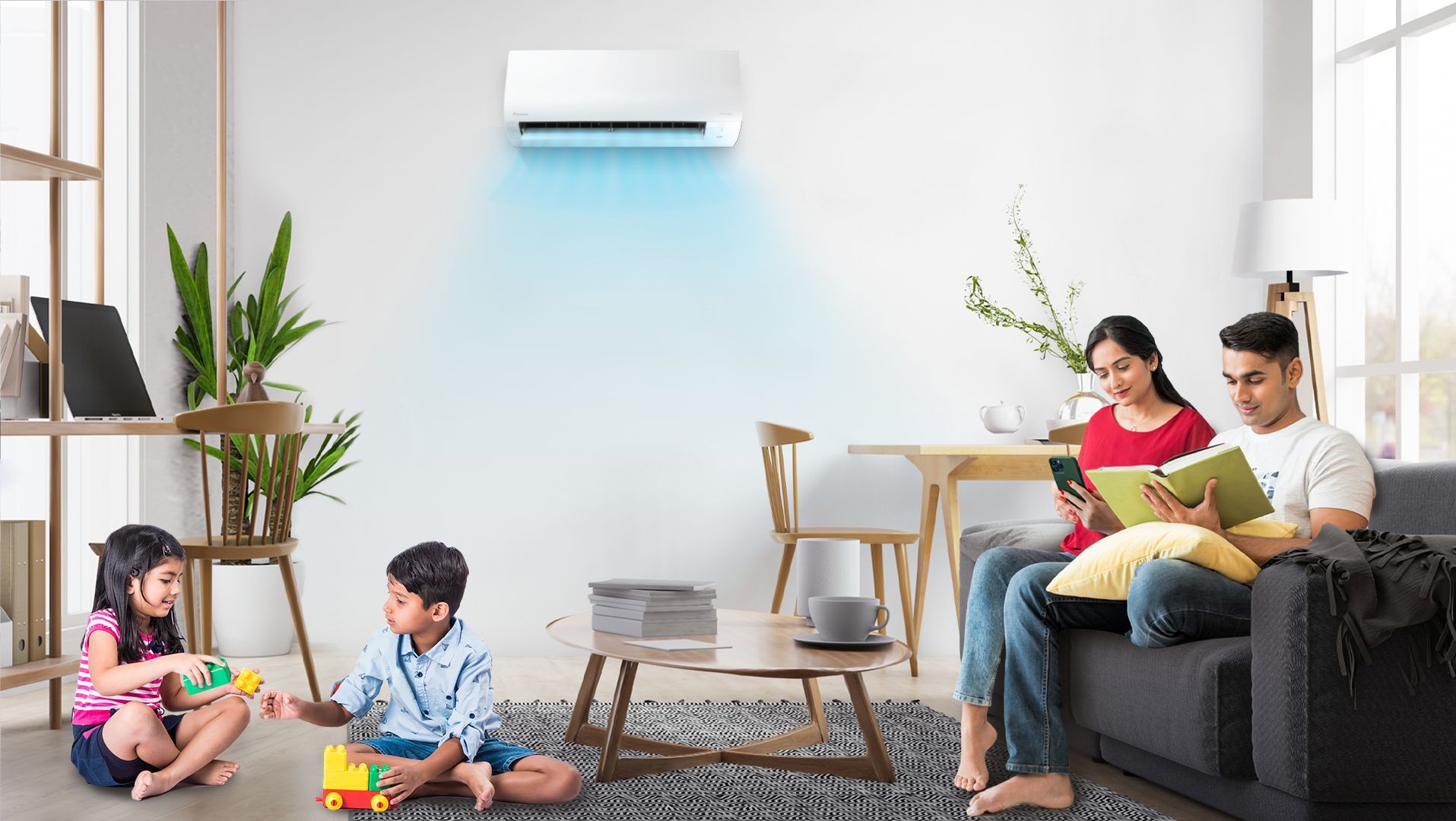
Air conditioning units have become an indispensable part of daily life in Indonesia. Living in a tropical climate, especially in urban areas, makes the comfort of cool, fresh indoor air a true necessity. However, choosing an AC that remains energy-efficient is no small feat.
Given their tendency to run for extended periods, such as during nighttime sleep, ACs contribute significantly to monthly electricity bills. Instead of enjoying a comfortable environment, many find themselves stressed by unexpectedly high power consumption.
Here are five key factors to consider before purchasing or replacing your air conditioner.
1. Match the AC Capacity to the Room Size
AC cooling capacity is commonly measured in PK (horsepower). This capacity must be properly matched to the room dimensions. If the PK is too low, the unit will overwork to reach the desired temperature. Conversely, if the PK is too high, it will not only make the room uncomfortably cold but also drive up electricity costs due to oversized cooling output.
To calculate the appropriate PK based on room size, multiply the room’s area (in square meters) by the required BTU factor, then divide by 9,000 BTU. The BTU factor depends on the room’s heat exposure. For average conditions, use 600 BTU. However, if the room is exposed to direct sunlight, located in a basement, or generally hotter than surrounding areas, increase the factor to around 1,000 BTU.
For example, a 3x4 meter bedroom under average temperature conditions: (3 × 4 × 600) ÷ 9,000 = 0.8. This means the room requires an AC capacity close to 0.75 or ¾ PK. Adjust this calculation accordingly based on actual room dimensions and thermal conditions.
2. Identify Heat Sources Within the Room
Continuing with proper cooling capacity selection, it’s crucial to account for internal heat sources. These include lighting, electronic devices, and even large windows facing the sun. The more heat sources present, the higher the AC capacity you’ll need.
Additionally, strategic placement matters. Install the AC unit away from direct heat sources. Placing it too close forces the compressor to work harder, increasing power consumption and reducing overall cooling efficiency.
3. Set the AC Temperature Relative to Outdoor Conditions
A common mistake occurs when users lower the AC thermostat to the minimum setting upon feeling warm. Many assume this delivers faster or better cooling, but it actually does the opposite. Since the set temperature may never be reached quickly, the compressor runs continuously, straining the system and spiking energy usage.
For those living in urban areas where average outdoor temperatures exceed 32°C, a good rule of thumb is to set the AC 10–15°C below the ambient temperature. For instance, if the outdoor temperature is 34°C, setting the AC to 24°C provides optimal comfort while maintaining energy efficiency.
4. Ensure Proper Installation and Regular Maintenance
Improper installation places unnecessary strain on the AC, reducing both performance and lifespan. Common issues include inadequate outdoor unit ventilation for heat dissipation or exceeding the maximum refrigerant pipe length allowed by the manufacturer. In severe cases, incorrect installation can even void the warranty. Always hire experienced, certified technicians for setup.
Regular maintenance is equally critical. The indoor unit contains air filters and a heat exchanger that can easily clog if neglected, leading to various issues such as inadequate temperature control, reduced cooling capacity, water leaks, abnormal noise, up to a 20% increase in power consumption, and premature component failure. The outdoor unit also requires periodic cleaning to maintain optimal refrigerant cycle performance. For daily use, professional servicing every three months is highly recommended.
5. Choose an AC with a 5-Star Energy Efficiency Rating
The final step is straightforward: select an AC proven to be energy-efficient. Fortunately, this is easy to identify.
The Indonesian government mandates an Energy Efficiency Label (Tanda Hemat Energi) sticker on all ACs sold in the country, rated in stars. The more stars, the greater the energy-saving capability. The highest tier is awarded a 5-star rating.
If you’re ready to purchase, a DAIKIN Inverter AC is an excellent choice. When it comes to energy savings, there’s no doubt about its performance. Every DAIKIN Inverter model carries the prestigious 5-Star Energy Efficiency Rating. Cooling capacities range from ½ PK to higher tiers, ensuring a perfect match for any room size.
These models also come packed with advanced features. From humidity control in the DAIKIN Premium Inverter series to the EVO Inverter line equipped with a Gin-Ion Filter for enhanced virus and bacteria elimination.
DAIKIN’s customer support further enhances its appeal. From needs consultation and installation to maintenance and repairs, everything is centrally managed and tracked through the DAIKIN Contact Center. This toll-free hotline at 0800-108-108-1 is backed by fully certified technicians.
For more details on DAIKIN Inverter ACs, visit their official website at www.daikin.co.id


